Start with the ecosystem
A smart speaker is rarely a purchase in isolation. It changes how you play music, control lights, and share routines with other people at home. The original HomePod mini is particularly dependent on that wider context: it is designed around Apple's devices and services. This research-based review examines the original generation introduced in 2020, including its later color options. It does not cover a successor model or claim first-hand listening tests. The useful question is whether this particular speaker fits a household's existing habits.
At a glance
- Model covered
- Original generation, introduced 2020
- Height
- 3.3 inches
- Audio
- Full-range driver, two passive radiators
- Processor
- Apple S5
- Power
- Wired, no built-in battery
Small enough to place, not designed to travel
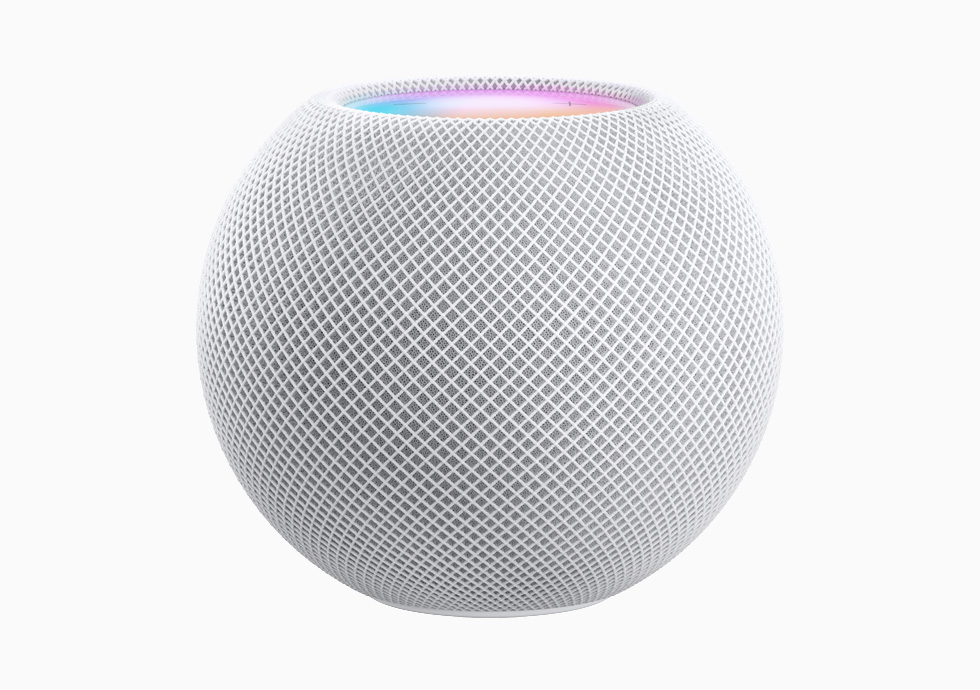
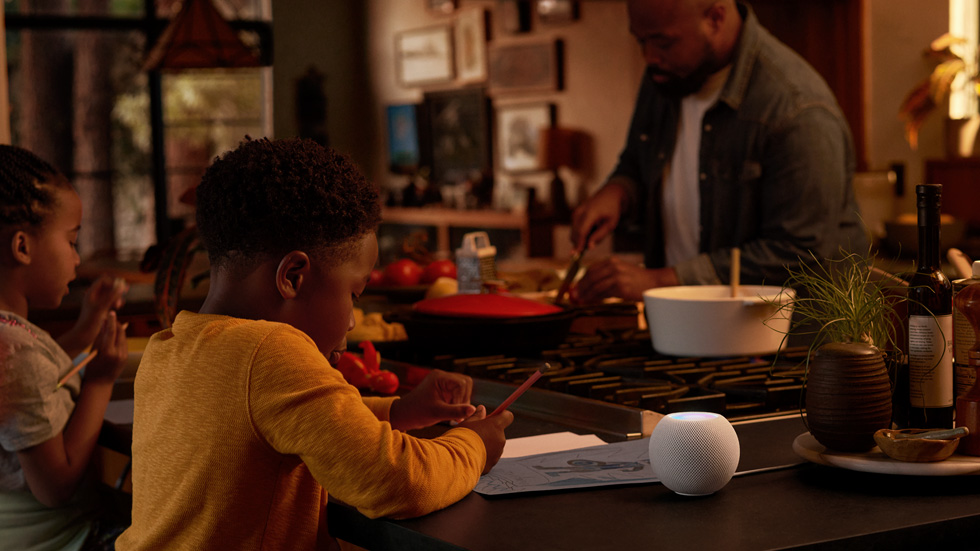
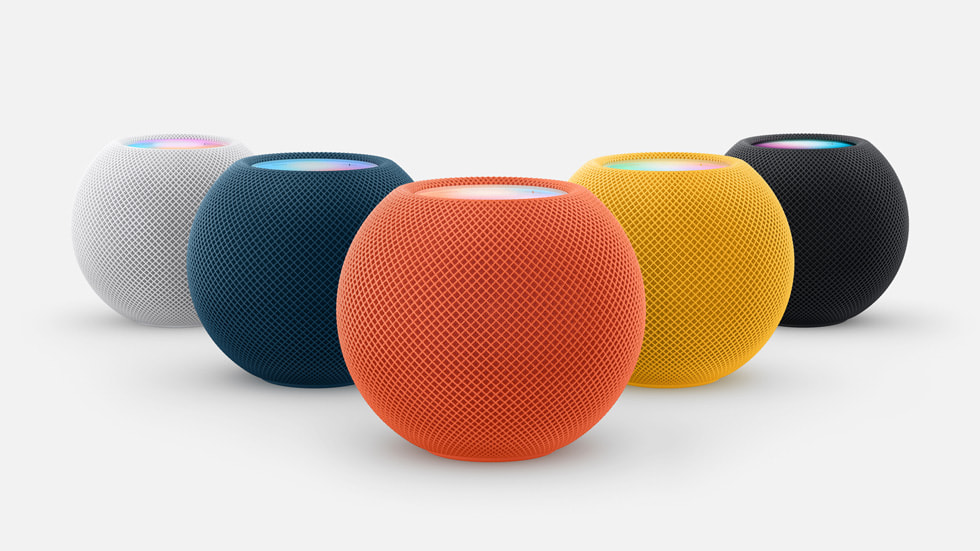
At about 3.3 inches tall, the mini can fit a shelf or bedside table without dominating it. Its mesh-covered body and illuminated touch surface give it a discreet appearance, with later color options offering more visual variety. Despite its size, this is a mains-powered speaker rather than a portable Bluetooth travel speaker. Consider the outlet and cable position before choosing a spot. An inexpensive-looking small device can become awkward if the only outlet leaves its cable crossing a work surface. Placement also affects what you can hear and how easily you can reach the touch controls.
Music choices should come before hardware choices
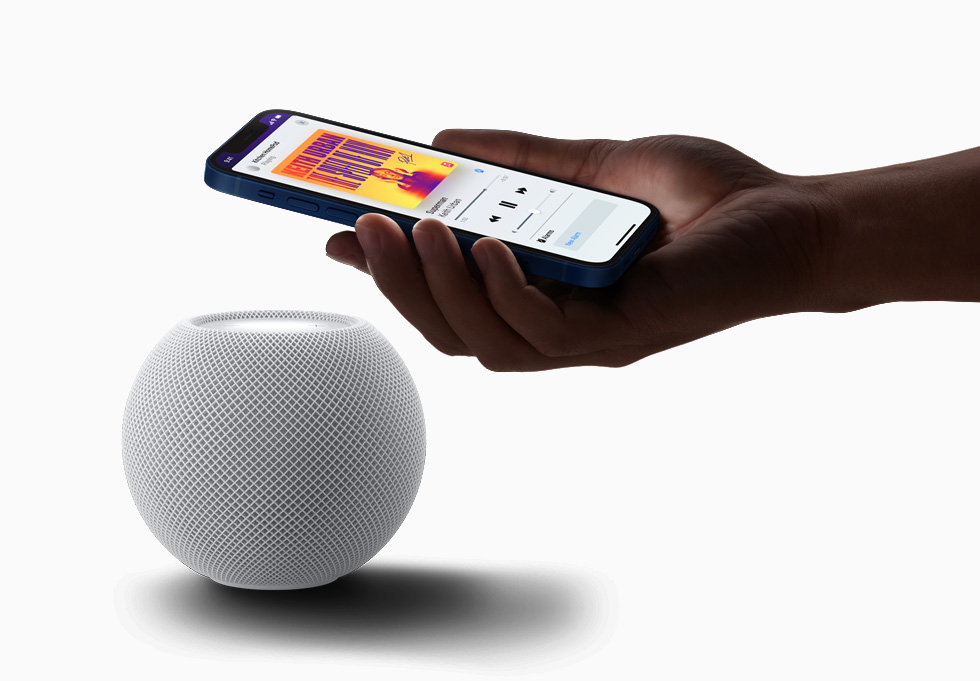
Apple describes a full-range driver, two passive radiators, and computational audio driven by the S5 chip. That architecture explains the design approach, but it does not establish how satisfying the speaker will sound in your room. A single compact speaker is better viewed as an everyday listening device than an automatic replacement for a larger stereo system. AirPlay is central to playing content from Apple devices. Check how your preferred streaming service works with the specific software and account setup you use. Do not assume every service offers identical voice control, account support, or handoff behavior.
A useful home controller needs a compatible home
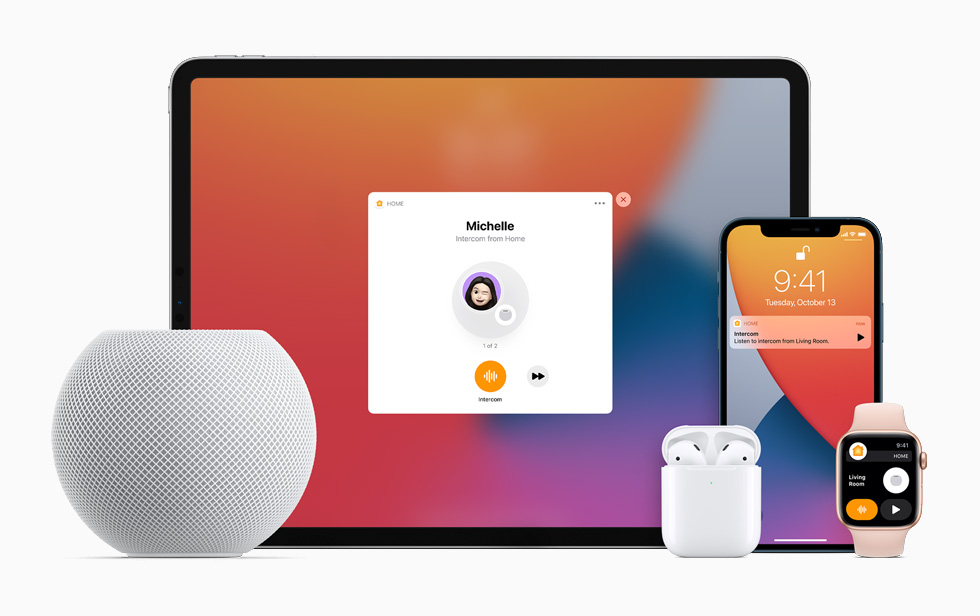
Siri, intercom functions, and Apple Home integration are important parts of the mini's appeal. They are more useful when the household already uses compatible devices and everyone understands how requests and permissions work. List the lights, sensors, and accessories you want to control before buying another hub or speaker. Compatibility is an exact-model question, not just a brand-name question. Also review voice history and personal-request settings during setup, especially in shared rooms. A well-designed routine should be easy for another household member to use without memorizing the system's structure or borrowing the owner's phone.
Buying older smart hardware requires a different checklist
For an original-generation mini, condition, software support, and actual price deserve extra attention. Confirm that the seller identifies the generation correctly and that setup works with your device. For used units, ask about account removal, cable condition, and return rights. Buying two speakers for stereo or several rooms increases the commitment to one ecosystem, so start with a single room if you are unsure. The most convincing purchase is one that removes a daily annoyance. Adding a smart speaker simply because it is small and discounted can leave you with another device waiting for a purpose.
The trade-offs
What works
- Compact footprint with accessible touch controls
- AirPlay and Apple Home integration
- Stereo pairing with another compatible mini
What to consider
- Strong dependence on Apple's ecosystem
- Requires a power outlet
- Older-generation purchase needs support and condition checks
Who should buy it?
Consider the original mini for an Apple-centered household that wants convenient voice routines and casual music in a small room. Choose another approach if portable playback, broad cross-platform flexibility, or substantial bass output is the priority.

The Informed Choice conclusion
Our verdict
A purposeful small-room companion when it fits the household's ecosystem. Check the generation and support status before buying an older unit, and judge the value by the routine it improves rather than the number of smart features on the box.
Sources & transparency
This original analysis uses the manufacturer documentation linked below. Battery figures and technical specifications are manufacturer statements. We have not performed independent measurements. Features, availability, and seller terms can change.
- Apple original HomePod mini announcement
- Apple original HomePod mini specifications
- Apple 2021 color update
Photographs are manufacturer-supplied editorial images, not evidence of our own product testing. The gallery may show different finishes or revisions; captions identify them where relevant. Image credits and source register. This article contains no paid affiliate links.